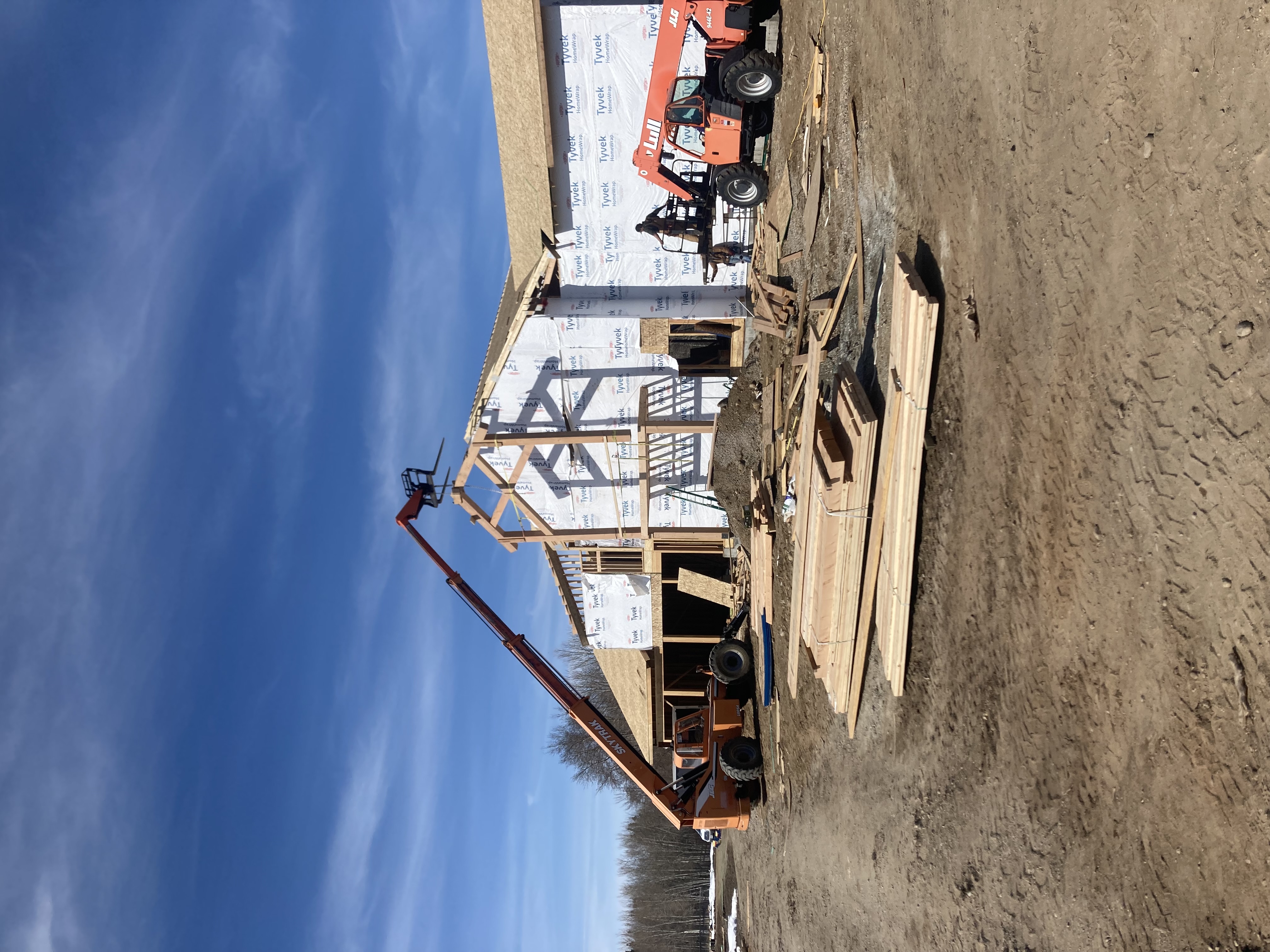
Choosing the Right Materials: A Guide to Sustainable Construction Choices Dec 10, 2025
Firstly, it’s crucial to understand the environmental impact of the materials you choose. Sustainable construction materials often have lower carbon footprints, meaning they produce less greenhouse gas emissions during production. Materials such as reclaimed wood, bamboo, and recycled metal are excellent examples. Reclaimed wood, for instance, not only gives a unique aesthetic but also reduces the need for cutting down new trees. Bamboo, known for its fast growth, is a renewable resource, making it an ideal sustainable choice. Recycled metals, despite being manufactured, help reduce waste by repurposing materials that would otherwise end up in landfills.
Durability is another key factor in sustainable construction. The longevity of the material can drastically influence its sustainability. Opting for materials like concrete made with supplementary cementitious materials or composites can enhance durability, leading to fewer replacements and less waste over time. These materials are designed to withstand harsh weather conditions and daily wear and tear, all while retaining their structural integrity.
Energy efficiency is deeply tied to sustainable construction. Materials like cool roofing, which reflects more sunlight and absorbs less heat, can significantly lower cooling costs during summer months. Similarly, incorporating insulated concrete forms (ICFs) can enhance the thermal performance of a building, ensuring long-term energy savings. Both options are not only eco-friendly but can also lower your building's operating costs, providing an added financial incentive.
Budget is naturally a consideration in any construction project. Sustainable materials can sometimes come with a heftier price tag upfront. However, it’s important to consider the long-term financial savings associated with energy efficiency, less frequent replacements, and potential tax incentives for using sustainable building practices. Consult with professionals like Midwest Framing who can provide insight into cost-effective sustainable options that align with both your budget and environmental goals.
Let's not forget the aesthetic aspect. Sustainable materials often bring a distinctive look to your project, whether it be the rustic warmth of reclaimed wood or the sleek finish of recycled metal. These eco-friendly choices can add character and value to your home or commercial property, setting your construction project apart.
Finally, Midwest Framing is committed to guiding you through these decisions with personalized advice tailored to your project’s needs. By choosing sustainable materials, you’re contributing not just to a healthier planet, but also to a healthier, more efficient building space. Completing a project with sustainable materials can provide a sense of fulfillment, knowing you’ve made a positive impact on the environment.
In conclusion, making the right materials choice is pivotal in sustainable construction. Midwest Framing is here to ensure that your selections are environmentally responsible and serve your project well in the years to come. Sustainable choices in construction are not just feasible; they are essential, and with the proper guidance, you can achieve a project that is both environmentally friendly and economically sound.
/filters:no_upscale()/filters:format(webp)/media/b46ec85b-23f6-4772-b22d-600c8d93d07e.jpeg)